[hen-ui-dynamic-experience placement=”aboveTheFold” /][hen-ui-text variant=”b4″]Certified registered nurse anesthetists (CRNAs) are advanced practice registered nurses (APRNs) who have a robust education to acquire the expertise to administer anesthesia in a variety of settings. CRNAs administer [hen-ui-link href=”https://www.aana.com/membership/become-a-crna/crna-fact-sheet” target=”_blank”]up to 80%[/hen-ui-link] of the anesthesia provided in American rural counties and are considered to be safe and cost-effective.[/hen-ui-text][hen-ui-text variant=”b4″]If you’d like to understand what a CRNA credential might mean to your career, use this guide to learn what CRNAs do, [hen-ui-link href=”/nurse-anesthetist/how-to-become-a-crna/”]how to become one[/hen-ui-link], why you might choose this highly specialized nursing career path, and what you can expect to earn.[/hen-ui-text][hen-ui-grid columns-md=”3″ gap=”md”] [hen-ui-card variant=”background-gray” border=”stroke” rounded=”lg” padding=”lg”] [hen-ui-card-content] [hen-ui-text variant=”b4″ class=”text-cap font-bold uppercase mb-2″]How Long to Become[/hen-ui-text] [hen-ui-text variant=”b4″ class=”text-4xl text-primary-800 font-heading font-bold mt-0″]7-10 Years[/hen-ui-text] [/hen-ui-card-content][/hen-ui-card] [hen-ui-card variant=”background-gray” border=”stroke” rounded=”lg” padding=”lg”] [hen-ui-card-content] [hen-ui-text variant=”b4″ class=”text-cap font-bold uppercase mb-2″]Job Outlook, 2021-2031[/hen-ui-text] [hen-ui-text variant=”b4″ class=”text-4xl text-primary-800 font-heading font-bold mt-0″]12% Growth[/hen-ui-text] [/hen-ui-card-content][/hen-ui-card] [hen-ui-card variant=”background-gray” border=”stroke” rounded=”lg” padding=”lg”] [hen-ui-card-content] [hen-ui-text variant=”b4″ class=”text-cap font-bold uppercase mb-2″]Average Annual Salary[/hen-ui-text] [hen-ui-text variant=”b4″ class=”text-4xl text-primary-800 font-heading font-bold mt-0″]$205,770[/hen-ui-text] [/hen-ui-card-content][/hen-ui-card][/hen-ui-grid][hen-ui-text variant=”b4″ class=”text-sm” style=”text-align:right”]Source: U.S. Bureau of Labor Statistics (BLS)[/hen-ui-text][hen-ui-heading variant=”h2″]What Does a CRNA Do?[/hen-ui-heading]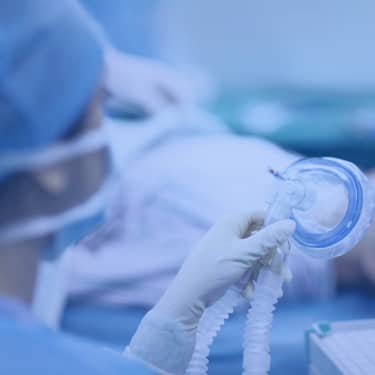 [hen-ui-text variant=”b4″ class=”text-xs”]Shannon Fagan / The Image Bank / Getty Images[/hen-ui-text]
 [hen-ui-heading variant=”h3″ class=”py-4 my-0 text-center border-b md:pb-8 md:border-none”]You might be interested in[/hen-ui-heading] [hen-ui-article-layout ids=”76218,76212,76202″][/hen-ui-article-layout]
DNP Required
Certification Required
[hen-ui-text variant=”b4″]Jenny Finnell, [hen-ui-link href=”/nurse-anesthetist/”]CRNA and founder of CRNA School Prep Academy[/hen-ui-link], explains that “CRNAs are advanced practice nurses who specialize in administering anesthesia to patients in various healthcare settings, including hospitals, surgery centers, and clinics. They work with physicians, dentists, and other healthcare providers to provide safe and effective anesthesia care.”[/hen-ui-text][hen-ui-text variant=”b4″][hen-ui-link href=”/nurse-anesthetist/crna-supervision-requirements//”]The autonomy of CRNAs[/hen-ui-link] is determined by each state, and more than half grant full independence. CRNAs enjoy complete autonomy in all branches of the military.[/hen-ui-text][hen-ui-text variant=”b4″]A CRNA administers pre-anesthesia and anesthesia. They conduct pre-anesthesia patient assessments, receive signed patient consent, and may prepare the operating room for procedures. During surgery, CRNAs administer anesthesia and manage patients’ airways, including intubation and extubation. The CRNA may be consulted during patient recovery from anesthesia.[/hen-ui-text][hen-ui-grid columns-md=”3″ gap=”md”] [hen-ui-text variant=”b4″ class=”text-xs”]Shannon Fagan / The Image Bank / Getty Images[/hen-ui-text][hen-ui-heading variant=”h3″]Key Responsibilities[/hen-ui-heading][hen-ui-list variant=”unordered” bullet-style=”bullet”] [hen-ui-list-item][hen-ui-text variant=”b4″]Selecting, ordering, and administering anesthetic medications[/hen-ui-text][/hen-ui-list-item] [hen-ui-list-item][hen-ui-text variant=”b4″]Conducting pre-anesthesia patient assessments and getting signed consent[/hen-ui-text][/hen-ui-list-item] [hen-ui-list-item][hen-ui-text variant=”b4″]Managing patients’ airways during surgical procedures[/hen-ui-text][/hen-ui-list-item] [hen-ui-list-item][hen-ui-text variant=”b4″]Providing postoperative consultation and patient assessment[/hen-ui-text][/hen-ui-list-item][/hen-ui-list]
[hen-ui-heading variant=”h3″]Career Traits[/hen-ui-heading][hen-ui-list variant=”unordered” bullet-style=”bullet”] [hen-ui-list-item][hen-ui-text variant=”b4″]Calm under pressure[/hen-ui-text][/hen-ui-list-item] [hen-ui-list-item][hen-ui-text variant=”b4″]Organization and attention to detail[/hen-ui-text][/hen-ui-list-item] [hen-ui-list-item][hen-ui-text variant=”b4″]Stress management[/hen-ui-text][/hen-ui-list-item] [hen-ui-list-item][hen-ui-text variant=”b4″]Delegation and collaboration[/hen-ui-text][/hen-ui-list-item][/hen-ui-list]
[/hen-ui-grid][hen-ui-flex gap=”xl” align=”left” direction=”column”][hen-ui-flex gap=”xs” align=”left” direction=”column”][hen-ui-heading variant=”h2″]Featured Online DNP Programs[/hen-ui-heading][/hen-ui-flex][hen-ui-dynamic-experience placement=”belowTheFold” /][/hen-ui-flex][hen-ui-heading variant=”h2″]Where Do CRNAs Work?[/hen-ui-heading][hen-ui-text variant=”b4″]CRNAs practice in settings where anesthesia, pain control, and/or airway management are needed, including hospital surgical departments, labor and delivery, ambulatory surgical facilities, ketamine clinics, pain centers, the U.S. military, offices of dentists and ophthalmologists, and more. CRNAs may also work for private anesthesiology groups which are employed by various medical centers.[/hen-ui-text][hen-ui-text variant=”b4″]CRNAs enjoy full-practice authority in every branch of the military, and they provide anesthesia on the front lines, military bases, ships, and other facilities throughout the world.[/hen-ui-text][hen-ui-grid columns-md=”3″ gap=”md”] [hen-ui-card variant=”background-white” border=”stroke” padding=”lg”] [hen-ui-card-content] [hen-ui-heading variant=”h3″ class=”text-primary-700 text-xl”]Acute Care Hospitals[/hen-ui-heading][hen-ui-text variant=”b4″]In hospitals, CRNAs ensure proper administration of anesthesia in the surgical setting. CRNAs perform pre-anesthesia patient assessment and education, administer anesthesia and maintain an open airway during surgical procedures, and manage postanesthesia recovery.[/hen-ui-text] [/hen-ui-card-content][/hen-ui-card][hen-ui-card variant=”background-white” border=”stroke” padding=”lg”] [hen-ui-card-content] [hen-ui-heading variant=”h3″ class=”text-primary-700 text-xl”]Ketamine Clinics[/hen-ui-heading][hen-ui-text variant=”b4″]In ketamine clinics, CRNAs perform patient assessments and collaborate with psychiatric professionals. The CRNA manages ketamine administration and monitors patients regarding safety, side effects, and recovery.[/hen-ui-text] [/hen-ui-card-content][/hen-ui-card][hen-ui-card variant=”background-white” border=”stroke” padding=”lg”] [hen-ui-card-content] [hen-ui-heading variant=”h3″ class=”text-primary-700 text-xl”]Ambulatory Surgical Centers[/hen-ui-heading][hen-ui-text variant=”b4″]The responsibilities of CRNAs in ambulatory surgical centers are similar to that of CRNAs in hospitals. They perform pre-anesthesia assessments, administer anesthesia, and manage postanesthesia recovery.[/hen-ui-text][hen-ui-text variant=”b4″]The main difference between ambulatory and acute care surgery is that ambulatory surgical patients are discharged on a same-day basis.[/hen-ui-text] [/hen-ui-card-content][/hen-ui-card][/hen-ui-grid][hen-ui-heading variant=”h2″]Why Become a CRNA[/hen-ui-heading][hen-ui-text variant=”b4″]There are many excellent reasons to become a CRNA, and also some disadvantages to consider.[/hen-ui-text][hen-ui-text variant=”b4″]”Many people choose to become CRNAs because of the autonomy and responsibility the role offers.” says Finnell. “As independent practitioners, CRNAs make critical decisions about the type and amount of anesthesia to administer, and they closely monitor patients throughout the procedure to ensure their safety and comfort. This high level of responsibility can be both challenging and rewarding.”[/hen-ui-text][hen-ui-grid columns-md=”2″ gap=”md”] [hen-ui-card variant=”background-white” border=”stroke” padding=”lg”] [hen-ui-card-content] [hen-ui-heading variant=”h3″]Rewards of Becoming a CRNA[/hen-ui-heading][hen-ui-list variant=”unordered” bullet-style=”bullet”] [hen-ui-list-item][hen-ui-text variant=”b4″]CRNAs command the highest salaries of all nursing professionals.[/hen-ui-text][/hen-ui-list-item] [hen-ui-list-item][hen-ui-text variant=”b4″]CRNAs are in high demand, with 12% job growth predicted by the BLS through 2030.[/hen-ui-text][/hen-ui-list-item] [hen-ui-list-item][hen-ui-text variant=”b4″]CRNAs practice independently in a majority of states and throughout all branches of the military.[/hen-ui-text][/hen-ui-list-item][/hen-ui-list] [/hen-ui-card-content][/hen-ui-card][hen-ui-card variant=”background-white” border=”stroke” padding=”lg”] [hen-ui-card-content] [hen-ui-heading variant=”h3″]Challenges of Becoming a CRNA[/hen-ui-heading][hen-ui-list variant=”unordered” bullet-style=”bullet”] [hen-ui-list-item][hen-ui-text variant=”b4″]Increased levels of responsibility come with greater liability.[/hen-ui-text][/hen-ui-list-item] [hen-ui-list-item][hen-ui-text variant=”b4″]Becoming a CRNA requires extensive education and training.[/hen-ui-text][/hen-ui-list-item] [hen-ui-list-item][hen-ui-text variant=”b4″]CRNAs must work under a high degree of pressure.[/hen-ui-text][/hen-ui-list-item][/hen-ui-list] [/hen-ui-card-content][/hen-ui-card][/hen-ui-grid]
[hen-ui-heading variant=”h2″]How to Become a CRNA[/hen-ui-heading][hen-ui-text variant=”b4″]As the highest-paying nursing specialty, it’s no surprise that [hen-ui-link href=”/nurse-anesthetist/how-to-become-a-crna/”]to become a CRNA[/hen-ui-link] takes time, study, and perseverance.[/hen-ui-text][hen-ui-text variant=”b4″]—“Persistence is key in this field, and it’s essential to learn from the challenges ahead and be adaptable to any situation. With hard work and dedication, you can find success as a certified registered nurse anesthetist.”[/hen-ui-text][hen-ui-text variant=”b4″ class=”text-sm text-right”]— Jenny Finnell, MSN, CRNA[/hen-ui-text]
[hen-ui-text variant=”b4″]According to the [hen-ui-link href=”https://www.aana.com/membership/become-a-crna/crna-fact-sheet” target=”_blank”]American Association of Nurse Anesthesiology[/hen-ui-link] (AAN), prospective nurse anesthetists can anticipate a minimum of 7-8.5 years of education and experience to become a CRNA. This includes about four years to earn a bachelor’s, 2-4 years to complete a doctor of nursing practice (DNP), and an average of 2,604 hours of supervised nurse anesthetist experience.[/hen-ui-text][hen-ui-text variant=”b4″]The [hen-ui-link href=”https://www.aana.com/membership/become-a-crna/crna-fact-sheet” target=”_blank”]AANA lists the minimum[/hen-ui-link] educational requirements for becoming a CRNA as:[/hen-ui-text][hen-ui-list variant=”unordered” bullet-style=”bullet”] [hen-ui-list-item][hen-ui-text variant=”b4″]A baccalaureate or graduate degree in nursing[/hen-ui-text][/hen-ui-list-item] [hen-ui-list-item][hen-ui-text variant=”b4″]An unencumbered RN or APRN license[/hen-ui-text][/hen-ui-list-item] [hen-ui-list-item][hen-ui-text variant=”b4″]A minimum of one year of full-time experience as a critical care RN[/hen-ui-text][/hen-ui-list-item] [hen-ui-list-item][hen-ui-text variant=”b4″]Graduation from a nurse anesthesia educational program accredited by the Council on Accreditation of Nurse Anesthesia Educational Programs[/hen-ui-text][/hen-ui-list-item][/hen-ui-list][hen-ui-text variant=”b4″]A DNP degree is strongly recommended as the minimum requirement for all entry-level APRNs as of 2025. While this has not yet been officially codified, the Council on Accreditation of Nurse Anesthesia Educational Programs (COA) has already [hen-ui-link href=”https://www.coacrna.org/about-coa/position-statements/” target=”_blank”]independently committed[/hen-ui-link] to the target date of 2025 for CRNAs.[/hen-ui-text][hen-ui-text variant=”b4″]In fact, the COA no longer accredits new master’s level CRNA programs, and students entering the field after 2022 must earn a doctoral degree to become certified.[/hen-ui-text][hen-ui-text variant=”b4″]Those pursuing a career as a CRNA can earn either a DNP or a doctor of nursing anesthesia practice (DNAP) degree. The American Nurses Credentialing Center (ANCC) is the body that accredits DNP programs; the Nurse Anesthetists Council for Accreditation approves DNAP programs.[/hen-ui-text][hen-ui-text variant=”b4″]Some organizations do not recognize the DNAP as a so-called “terminal degree,” so CRNAs seeking tenured faculty positions may prefer to have a DNP degree.[/hen-ui-text][hen-ui-heading variant=”h2″]How Much Do CRNAs Make?[/hen-ui-heading][hen-ui-text variant=”b4″]As of May 2022, the BLS reports the average annual salary for CRNAs as $205,770, and the median annual salary as $203,090. CRNAs can expect an average hourly wage of $98.93. Factors that may influence an individual CRNA’s earning potential include quality of education, years of experience in critical care before becoming a CRNA, years of practice as a CRNA, and geographic location.[/hen-ui-text][hen-ui-text variant=”b4″]Earning potential is high. North Dakota offers the highest average annual CRNA salary, with California, Connecticut, New York, and Illinois all coming in well above $200,000[/hen-ui-text][hen-ui-heading variant=”h2″]Frequently Asked Questions About CRNAs[/hen-ui-heading][hen-ui-heading variant=”h3″]How long does it take to become a CRNA?[/hen-ui-heading][hen-ui-text variant=”b4″]Becoming a CRNA generally takes 7-10 years, including undergraduate nursing education and clinical experience.[/hen-ui-text][hen-ui-heading variant=”h3″]How do you go from RN to CRNA?[/hen-ui-heading][hen-ui-text variant=”b4″]For nurses with an associate nursing degree, the path to becoming a CRNA involves attending an [hen-ui-link href=”/degrees/rn-to-bsn/”]RN to bachelor of science in nursing[/hen-ui-link] bridge program, followed by earning an master’s, and finally a DNP or DNAP.[/hen-ui-text][hen-ui-heading variant=”h3″]What’s the difference between a CRNA and an anesthesiologist?[/hen-ui-heading][hen-ui-text variant=”b4″][hen-ui-link href=”/resources//crna-vs-anethesiologist/”]Anesthesiologists and CRNAs[/hen-ui-link] are educated in different academic systems. Anesthesiologists attend medical school and complete a residency. Some anesthesiologists also complete a fellowship. CRNAs are RNs with advanced practice credentials.[/hen-ui-text][hen-ui-text variant=”b4″]As of 2025, all new CRNAs must have a doctorate. Based on the state practice environment, some CRNAs must be supervised by a physician.[/hen-ui-text][hen-ui-heading variant=”h3″]Can nurse anesthetists work independently?[/hen-ui-heading][hen-ui-text variant=”b4″]CRNAs are allowed to work independently in any state where unrestricted practice is allowed. In states where the supervision of a physician or collaborative agreement is required, the CRNA must practice under that physician. CRNAs can rely on their state’s nursing board for detailed information about practice restrictions.[/hen-ui-text][hen-ui-heading variant=”h2″]Related Pages[/hen-ui-heading] [hen-ui-article-row variant=”slider” ids=”34149,34148,34105″][/hen-ui-article-row] [hen-ui-heading variant=”h3″ class=”py-4 my-0 text-center border-b md:pb-8 md:border-none”]You might be interested in[/hen-ui-heading] [hen-ui-article-layout ids=”76218,76212,76202″][/hen-ui-article-layout]